Spinosad 2.5% & 45% SC About
General Characteristics
-
-
-
-
-
Target Pests: Effective against Lepidoptera, Diptera, Thysanoptera, Hymenoptera, and some Coleoptera. Less effective against sucking insects such as aphids . Common pests include American bollworm, fruit and shoot borers, diamondback moths, girdle beetles, semiloopers, pod borers, thrips, jassids, and caterpillars .
-
Advanced Biological Mode of ActionSpinosad works by neurotoxic action on insect pests, specifically targeting their nicotinic acetylcholine and GABA receptors. This precise mode of action causes rapid paralysis and death in target insects, while maintaining a favorable safety profile for non-target species. As a naturally derived product from Spinosyn A and D, it is considered a highly preferred solution in integrated pest management strategies.
Flexible Application and Dosage OptionsOffered in concentrations of 2.5% and 45% SC, Spinosad allows for tailored application rates depending on crop type and pest pressure. With easily mixable, suspension concentrate formulation, applicators can achieve predictable results. Recommended dosages are 0.3 to 0.45 ml/L (2.5% SC) and 0.03 to 0.06 ml/L (45% SC). Always adhere to label instructions for optimal efficacy and to prevent phytotoxicity.
Safe Handling and Storage GuidelinesCategorized as a slightly hazardous (Class III) insecticide, Spinosad should be handled with standard personal protection. Store it in a cool, dry, and ventilated area, protected from sunlight, to maintain product integrity over its 2-year shelf life. Its compatibility with most insecticides and fungicides-excluding alkaline materials-makes it versatile for various pest management programs.
FAQ's of Spinosad 2.5% & 45% SC:
Q: How does Spinosad 2.5% & 45% SC control insect pests?
A: Spinosad targets the nervous system of insects by acting on the nicotinic acetylcholine and GABA receptor sites. This disrupts their nerve function, causing paralysis and eventual death, resulting in rapid and efficient pest control.
Q: What is the recommended process for applying Spinosad 2.5% & 45% SC?
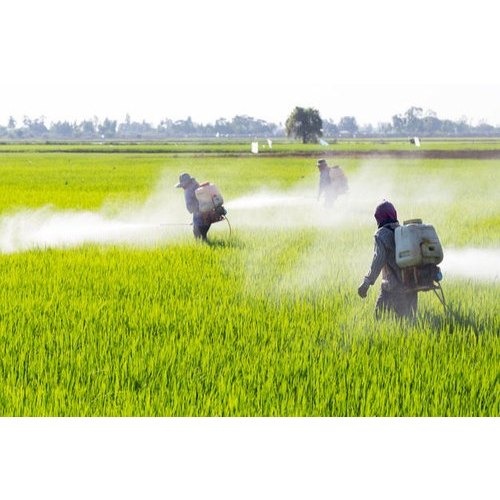
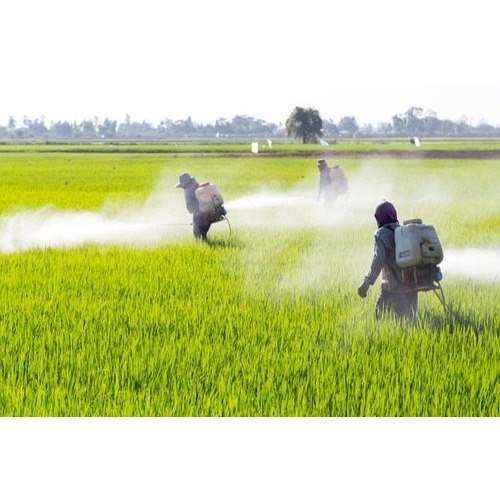
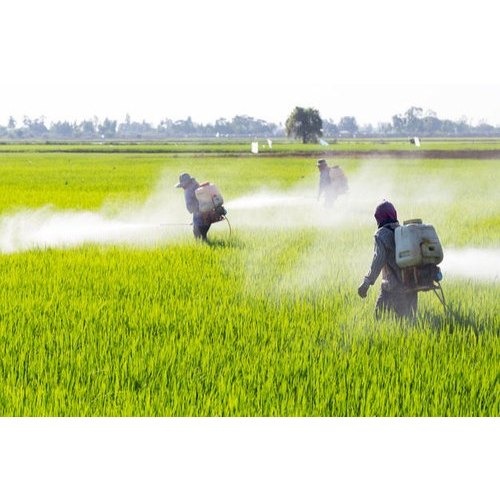
A: To use Spinosad, dilute the recommended amount in clean water: 0.3-0.45 ml/L for 2.5% SC or 0.03-0.06 ml/L for 45% SC, depending on the crop and pest intensity. Mix thoroughly and apply as a foliar spray using standard equipment, covering all plant surfaces for best results.
Q: When should Spinosad be applied for effective pest management?
A: Apply at the early infestation stage or as soon as target pests like thrips, leaf miners, fruit borers, or caterpillars are observed. Repeat applications as recommended based on pest resurgence and crop growth stage for continuous protection.
Q: What crops can benefit from the application of Spinosad?
A: Spinosad is suitable for use on a wide range of crops, including vegetables, fruits, and ornamental plants. It is especially effective for managing key pests in these crops, offering broad-spectrum insect control.
Q: Where should Spinosad be stored to maintain its effectiveness?
A: Store Spinosad in its original, unopened container in a cool, dry, and well-ventilated area away from direct sunlight. Proper storage ensures potency and extends shelf life up to two years from the date of manufacture.
Q: Is Spinosad compatible with other plant protection products?
A: Yes, Spinosad is compatible with most commonly used insecticides and fungicides except those containing alkaline substances. Avoid mixing with highly alkaline materials to prevent reduced effectiveness.
Q: What are the key benefits of using Spinosad 2.5% & 45% SC?
A: Spinosad offers natural, targeted pest control, low toxicity to humans and beneficial insects, flexible application, and compatibility with integrated pest management approaches. Its controlled-release formulation enhances efficacy and safety for a wide range of crops.






 Send Inquiry
 Send Inquiry

