JOSHI AGROCHEM PHARMA PRIVATE LIMITED
GST : 27AAFCJ1227Q1Z8

Call us
08045802215
Call us
08045802215
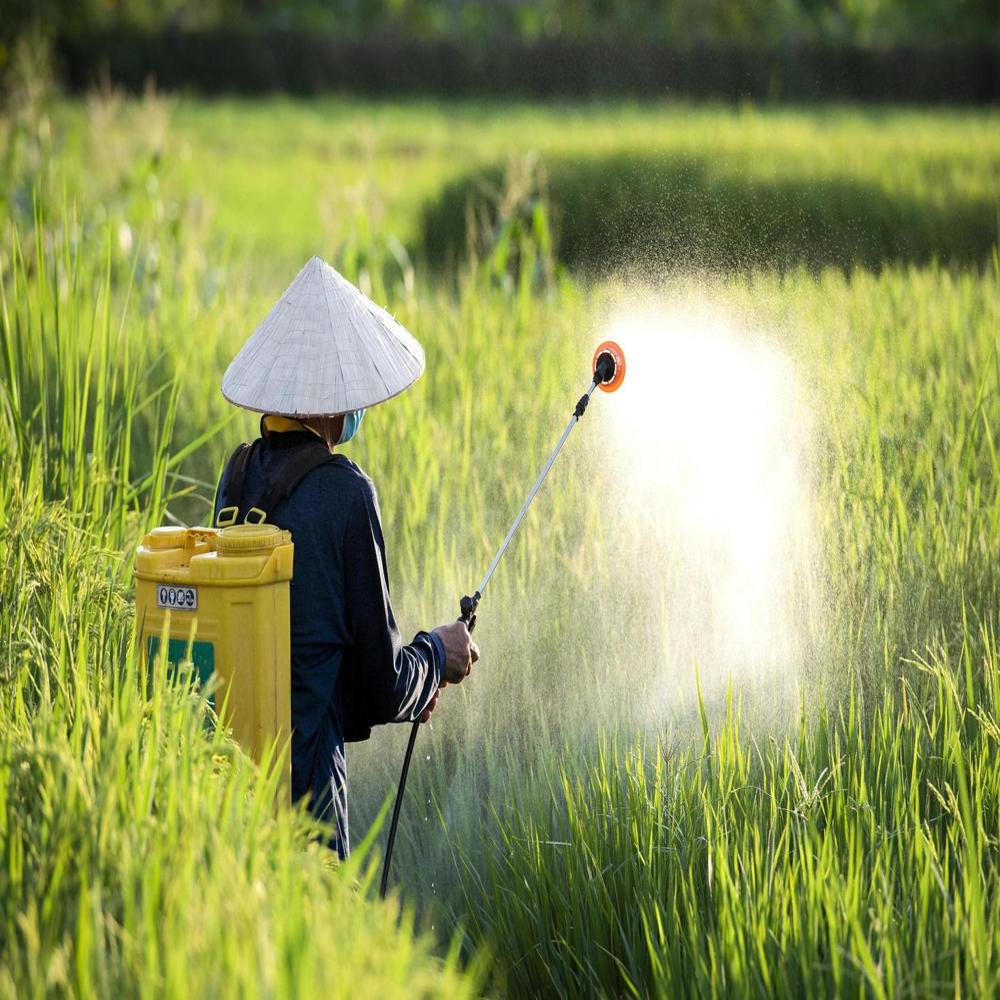
Insecticides are products used to control harmful insects that attack crops during different growth stages. These insects can feed on leaves, stems, roots or even directly on the fruits and grains. If they are not managed at the right time, they can cause heavy loss in both yield and quality.
Insecticides work in different ways. Some kill insects as soon as they come in contact with the spray. Others are absorbed into the plant tissues and work from inside, so when the insect feeds, it is poisoned. Certain Insecticides disrupt the nervous system of the pest, some affect their reproduction so they cannot multiply, and some simply make them stop feeding. This variety of action is important because different pests need different approaches.
nsects can multiply very fast. Missing one spray or spraying at the wrong time can result in an outbreak within days. Sucking pests like aphids, jassids and thrips damage the crop by removing sap and also transmitting viral diseases. Chewing pests like caterpillars and borers eat away leaves, stems, flowers and fruits. If not controlled quickly, both types can cause severe yield loss.
Using the right Insecticide at the right time helps in stopping direct damage and also prevents secondary problems like fungal or viral infections that often follow insect attacks. Some insecticides give an instant knockdown effect while others provide residual protection for several days. In modern farming, rotation of different Insecticide groups is also important to avoid resistance in pest populations.
Where they are used
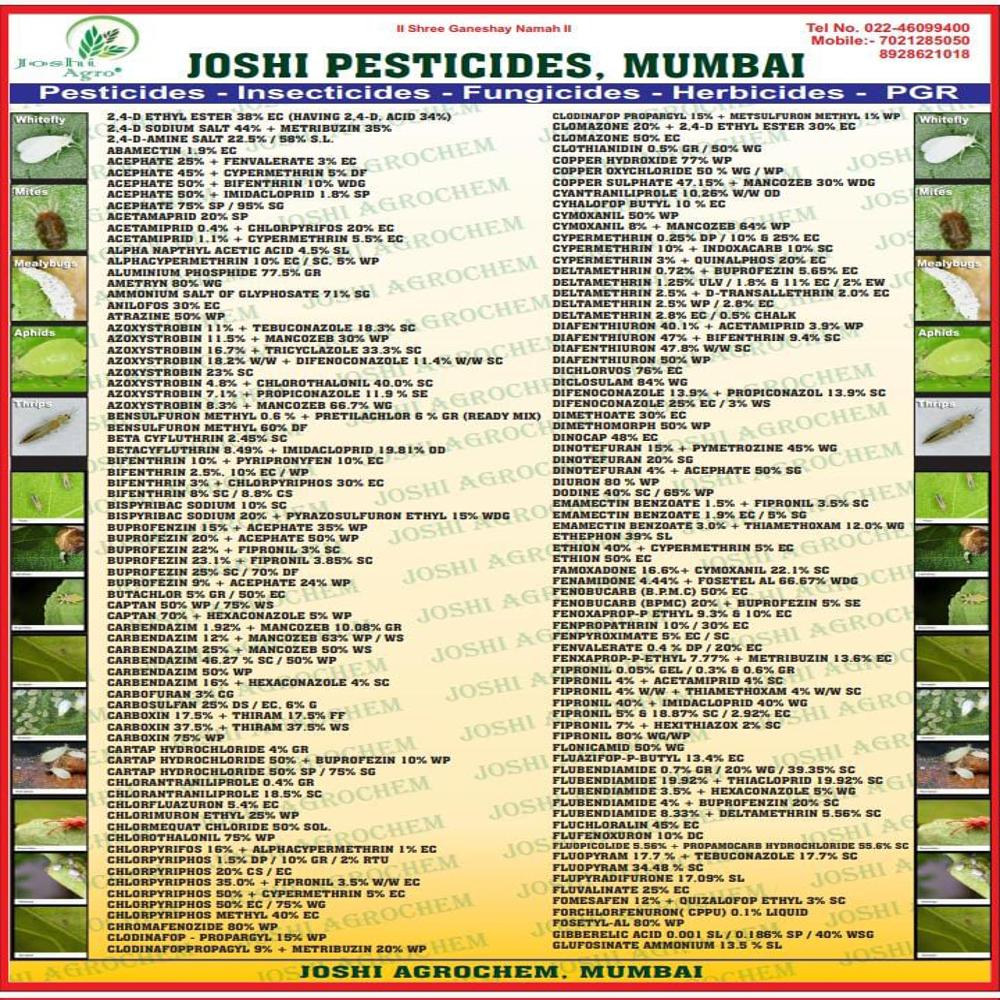
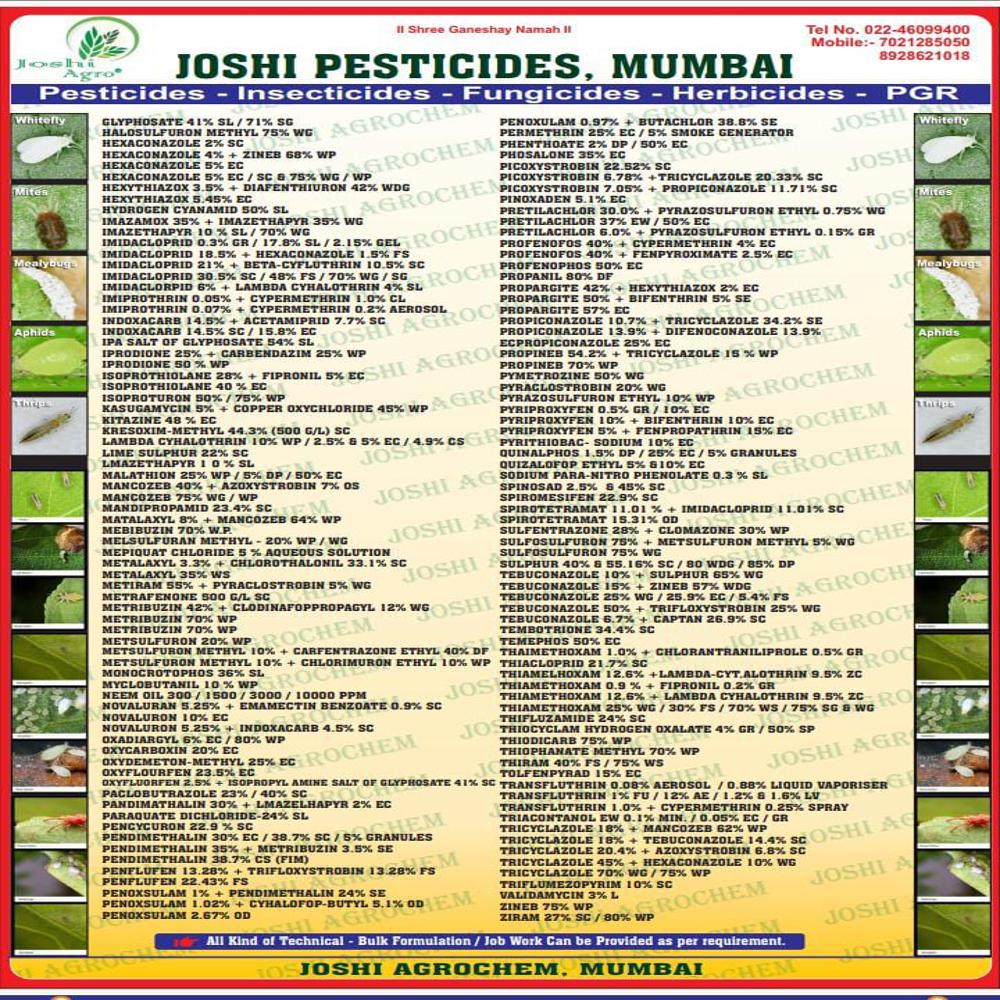

Price:
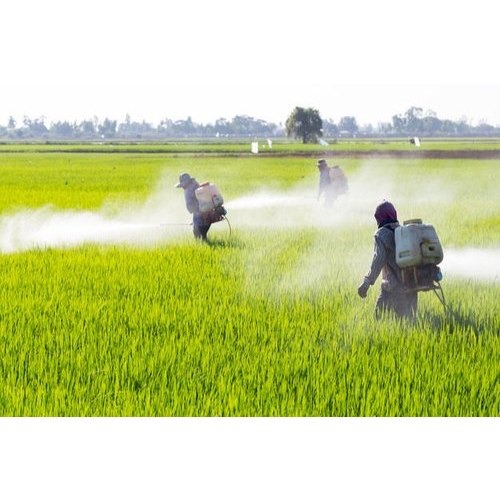
Price 1.0 INR / Kilograms
Minimum Order Quantity : 1 Kilograms
Application : Other, Recommended for the control of stem borer and leaf folder in paddy
Solubility : Slightly soluble in water
CAS No : Thiamethoxam: 153719234, Chlorantraniliprole: 500008457
Storage : Store in a cool, dry and well ventilated place, away from sunlight
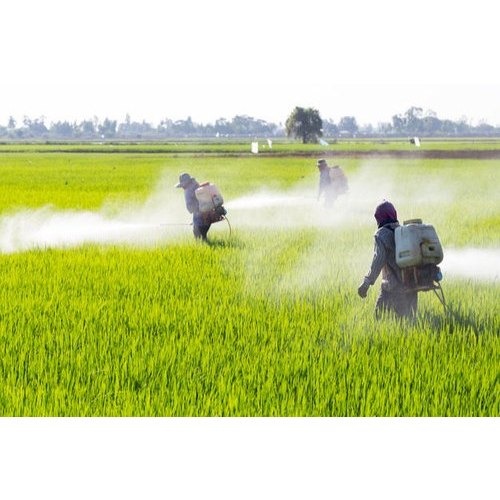
Price 1.0 INR / KG
Minimum Order Quantity : 1 Kilograms
Application : Other, Used for control of sucking pests such as aphids, jassids, whiteflies, and thrips in various crops
Solubility : Soluble in water
CAS No : 135410207
Storage : Cool and dry place
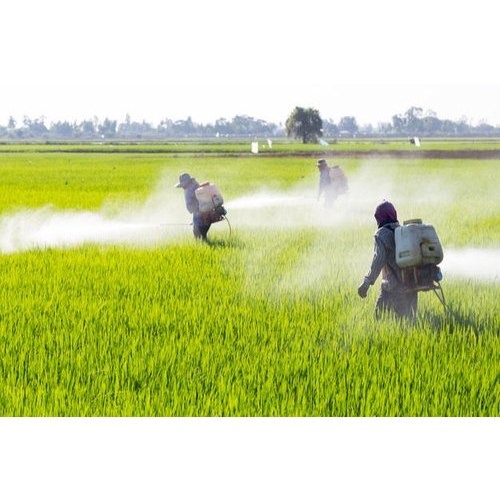
Price 56.0 INR
Minimum Order Quantity : 1 Kilograms
Application : Other, Used for effective postemergence control of weeds in wheat crop
Solubility : Dispersible in Water
CAS No : Clodinafop Propargyl: 105512069, Metribuzin: 21087649
Storage : Store in a cool, dry and wellventilated place, away from direct sunlight
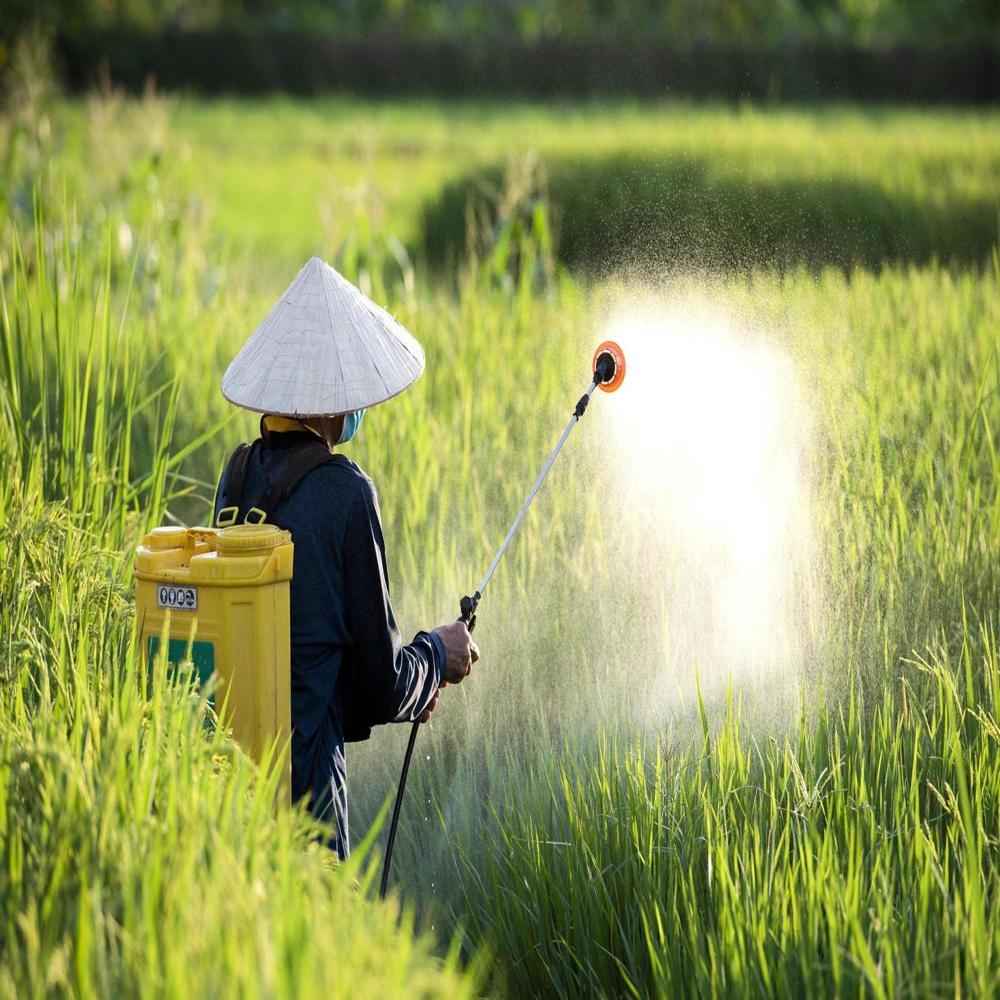
Price 53.0 INR / Kilograms
Minimum Order Quantity : 1 Kilograms
Application : Other, Used for weed control in crops like sugarcane, cotton, and noncrop lands
Solubility : Dispersible in water
CAS No : 330541
Storage : Cool and dry place

 Send Inquiry
 Send Inquiry

