Glyphosate 41% SL / 71% SG About
Glyphosate 41% SL and 71% SG are formulations of the herbicide Glyphosate used for effective weed control.
How Glyphosate Works on WeedsGlyphosate functions by inhibiting the EPSP synthase enzyme, a crucial component in the production of essential amino acids within plants. This disruption halts protein synthesis, ultimately leading to the death of both broadleaf and grassy weeds. Because it is systemic and non-selective, glyphosate is absorbed throughout the plant following application, providing thorough and lasting control.
Formulations & Application MethodsGlyphosate is available in two powerful formulations: 41% soluble liquid (SL) and 71% water-soluble granule (SG). The SL form is supplied in slightly yellow liquid, while the SG variant comes as a white to off-white granule. Users can apply 1-2 liters/acre for the SL or 0.75-1.5 kg/acre for the SG depending on weed density and field conditions. Always use the correct dilution and follow label directions.
Storage & Compatibility GuidelinesFor optimal potency, glyphosate should be stored in its original, unopened HDPE bottles, drums (SL), or laminated pouches, fiber drums (SG) in a cool, dry, and ventilated area away from direct sunlight. It is compatible with most commonly used herbicides, except those that are alkaline in nature. Proper storage and mixing practices help maintain effectiveness and safety.
FAQ's of Glyphosate 41% SL / 71% SG:
Q: How should Glyphosate 41% SL and 71% SG be applied for best results?
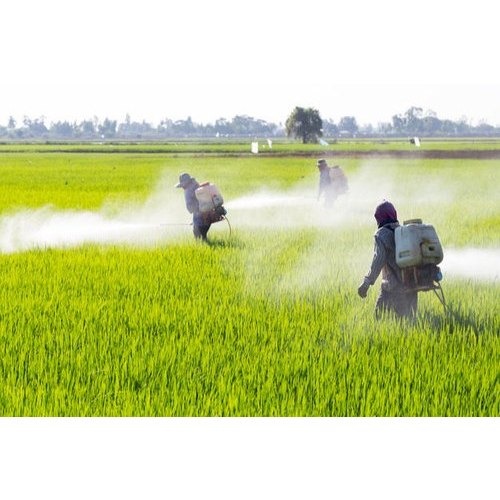
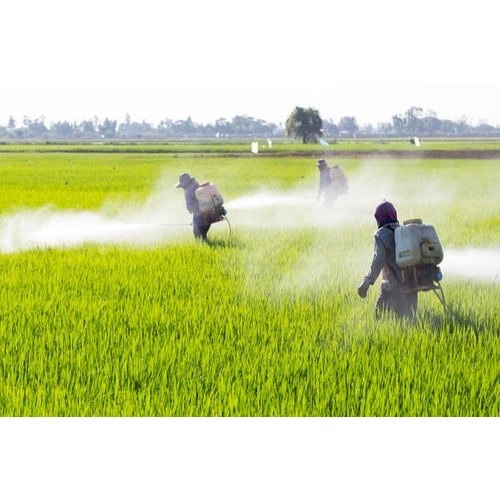
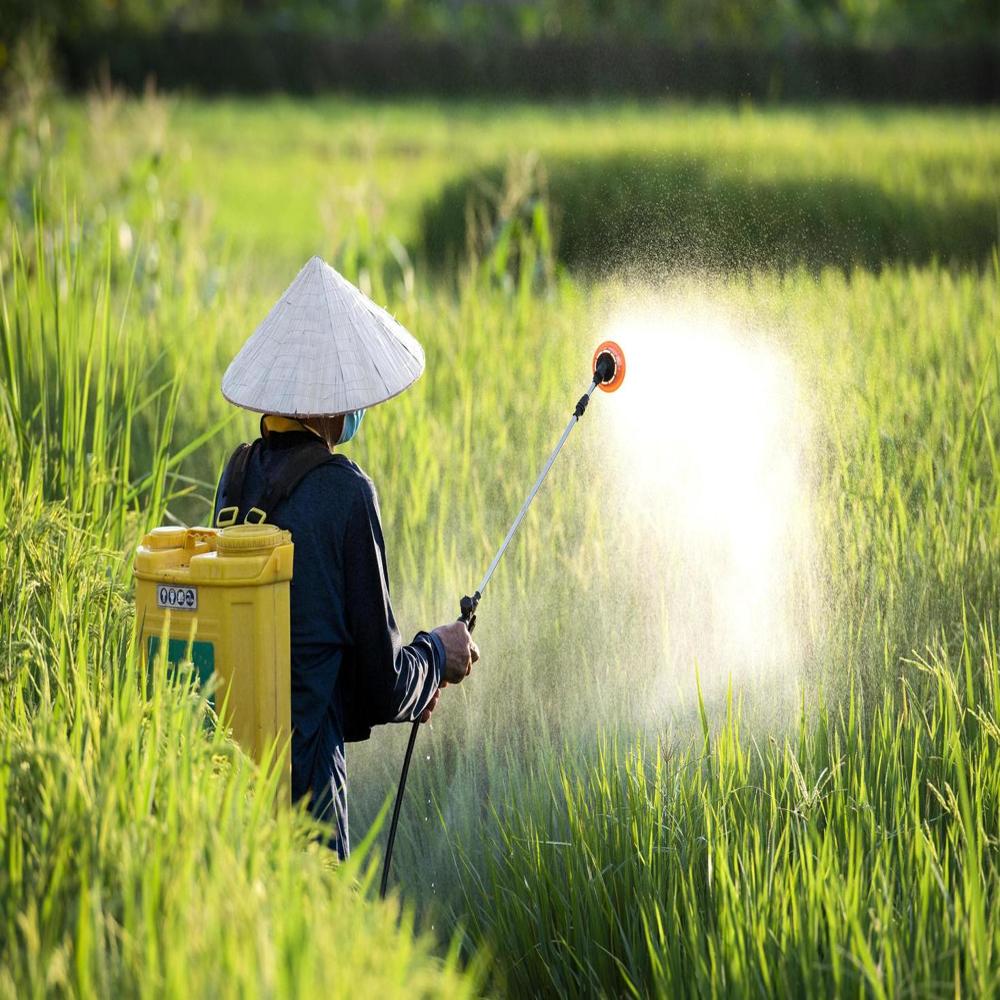
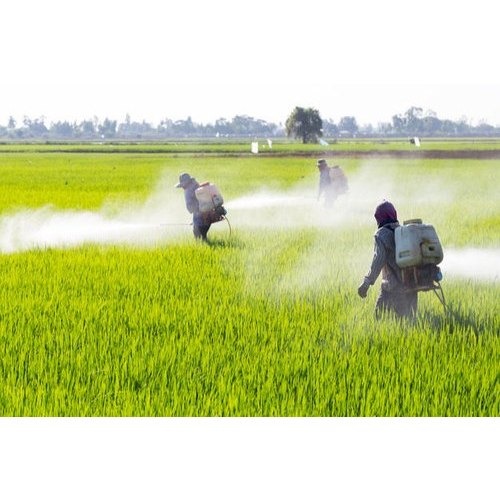
A: For optimal weed control, apply Glyphosate post-emergence when weeds are actively growing. Ensure thorough coverage of the foliage using 1-2 liters/acre for 41% SL or 0.75-1.5 kg/acre for 71% SG, following recommended dilution instructions. Use clean water and suitable equipment for even application.
Q: What types of weeds can Glyphosate control?
A: Glyphosate effectively controls a wide range of annual and perennial weeds, including both broadleaf and grassy species. Its systemic mode of action ensures complete eradication of unwanted vegetation in agricultural and non-agricultural settings.
Q: When is the best time to use Glyphosate on my fields?
A: The best time to use Glyphosate is when target weeds are actively growing and before they reach the flowering or seed-setting stage. Post-emergence application ensures maximum absorption and efficacy.
Q: Where can Glyphosate be used?
A: Glyphosate is suitable for use in agricultural fields, orchards, plantations, industrial sites, and other non-agricultural areas where effective weed control is needed.
Q: What are the main benefits of using Glyphosate 41% SL or 71% SG?
A: Glyphosate delivers quick and comprehensive weed control, improving crop yield and field cleanliness. Its compatibility with many herbicides (except alkaline ones), long shelf life, and convenient packaging make it a practical choice for large and small-scale operations alike.
Q: How should Glyphosate products be stored?
A: Glyphosate formulations should be stored in unopened, original containers (HDPE bottles, drums, laminated pouches, or fiber drums) in a cool, dry, well-ventilated location, away from direct sunlight and sources of moisture, to maintain their efficacy for up to two years.




 Send Inquiry
 Send Inquiry

