JOSHI AGROCHEM PHARMA PRIVATE LIMITED
GST : 27AAFCJ1227Q1Z8

Call us
08045802215
Call us
08045802215
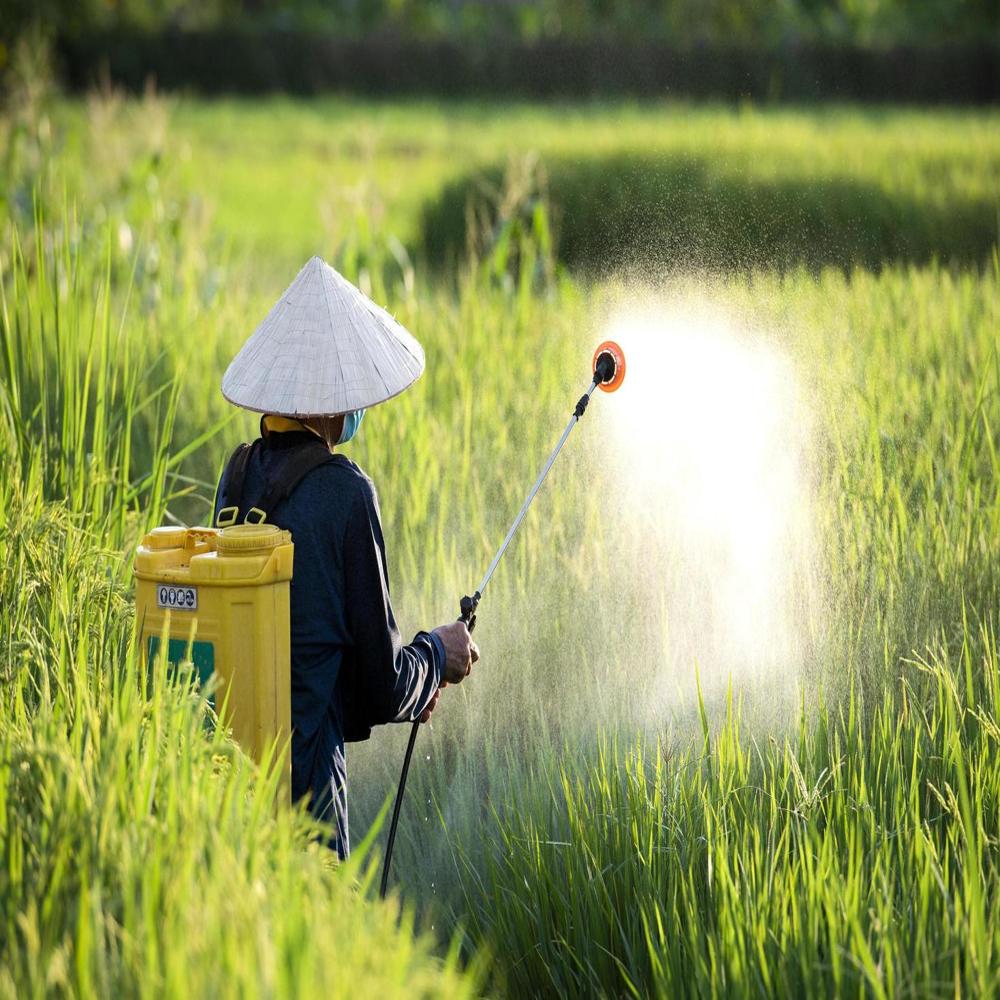
When it comes to managing tough weeds in farms, one name always pops up Glyphosate. Its one of the most widely used herbicides in the world, and theres a good reason why. It is effective, economical and works on a broad range of weeds. But how exactly it works, what makes it different from other herbicides, and why should growers or agri-brands care about the salt forms like Ammonium Salt or Isopropylamine Salt? Lets break it all down in this blog.
It is a non-selective, systemic herbicide. That means it doesnt target just one type of weed. It works on a large group of weeds including annual, perennial, broadleaf and grassy weeds. Non-selective means it kills most plants it touches, so it should only be sprayed carefully where weeds are unwanted.
Being systemic means after application, Glyphosate travels inside the plant, from leaves down to roots. This is important. Because instead of just burning the top part of the weed, it kills it from inside, including the root. So regrowth is minimized. Thats why it has become a go-to solution especially in non-crop areas, orchards, fallow lands, and before sowing any crop.

Price:
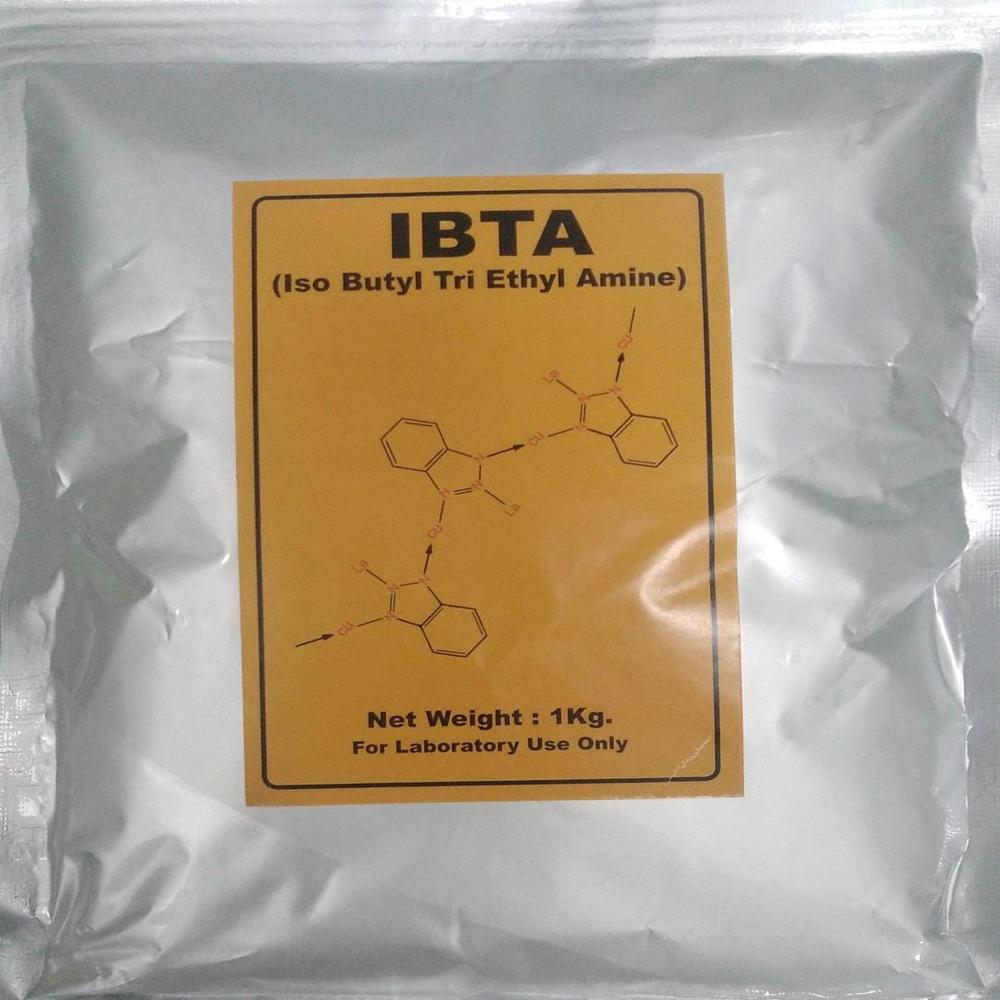
Price 1800.0 INR / Kilograms
Minimum Order Quantity : 1 Kilograms
Application : Agriculture
Release Type : Controlled
Chemical Name : Other, IBTA PESTICIDES
Storage : Cool & Dry Place
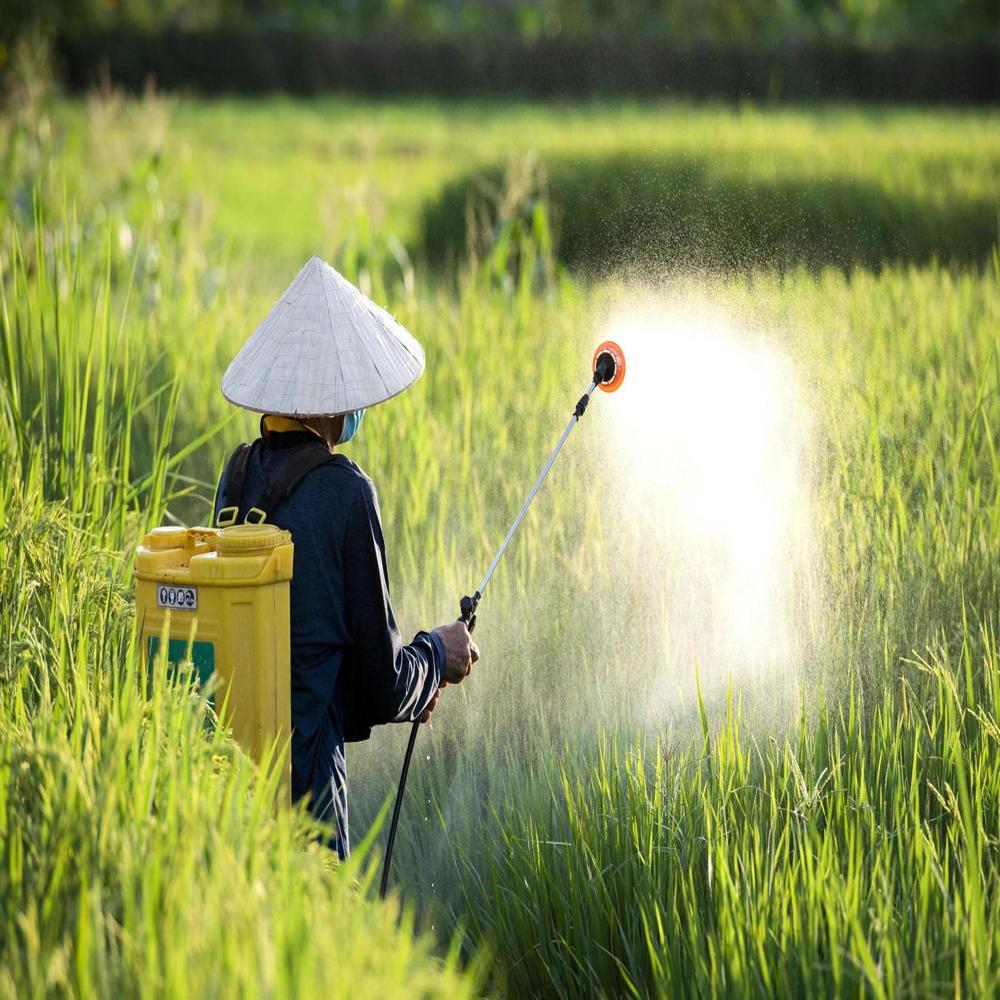
Price 77.0 INR / kg
Minimum Order Quantity : 1 Kilograms
Application : Other, Used for postemergence control of grass and broadleaf weeds in wheat crop
Release Type : Controlled
Chemical Name : Other, Clodinafop Propargyl 15% + Metsulfuron Methyl 1% WP
Storage : Store in a cool, dry and wellventilated place away from direct sunlight
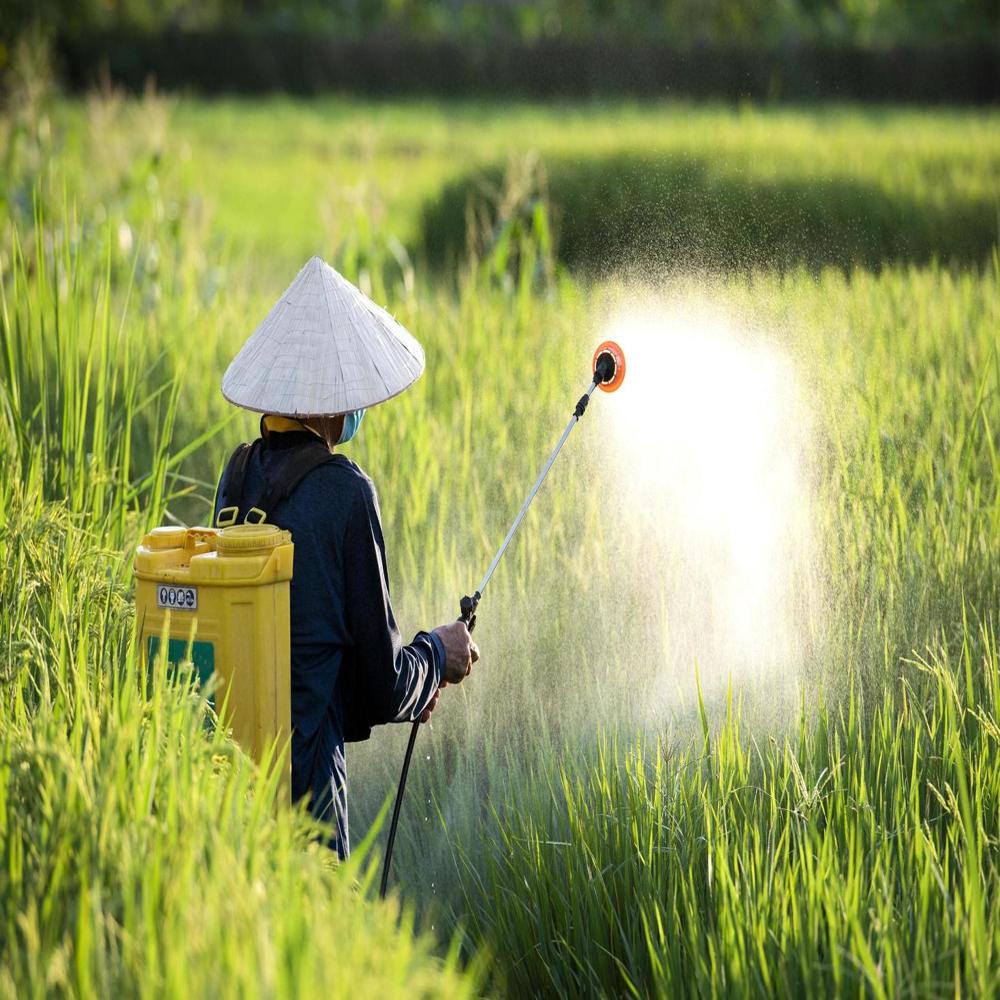
Price 88.0 INR / Kilograms
Minimum Order Quantity : 1 Kilograms
Application : Other, Selective postemergence herbicide for the control of grasses in rice crops
Release Type : Quick
Chemical Name : Other, Cyhalofop Butyl
Storage : Store in a cool, dry, and wellventilated place away from sunlight
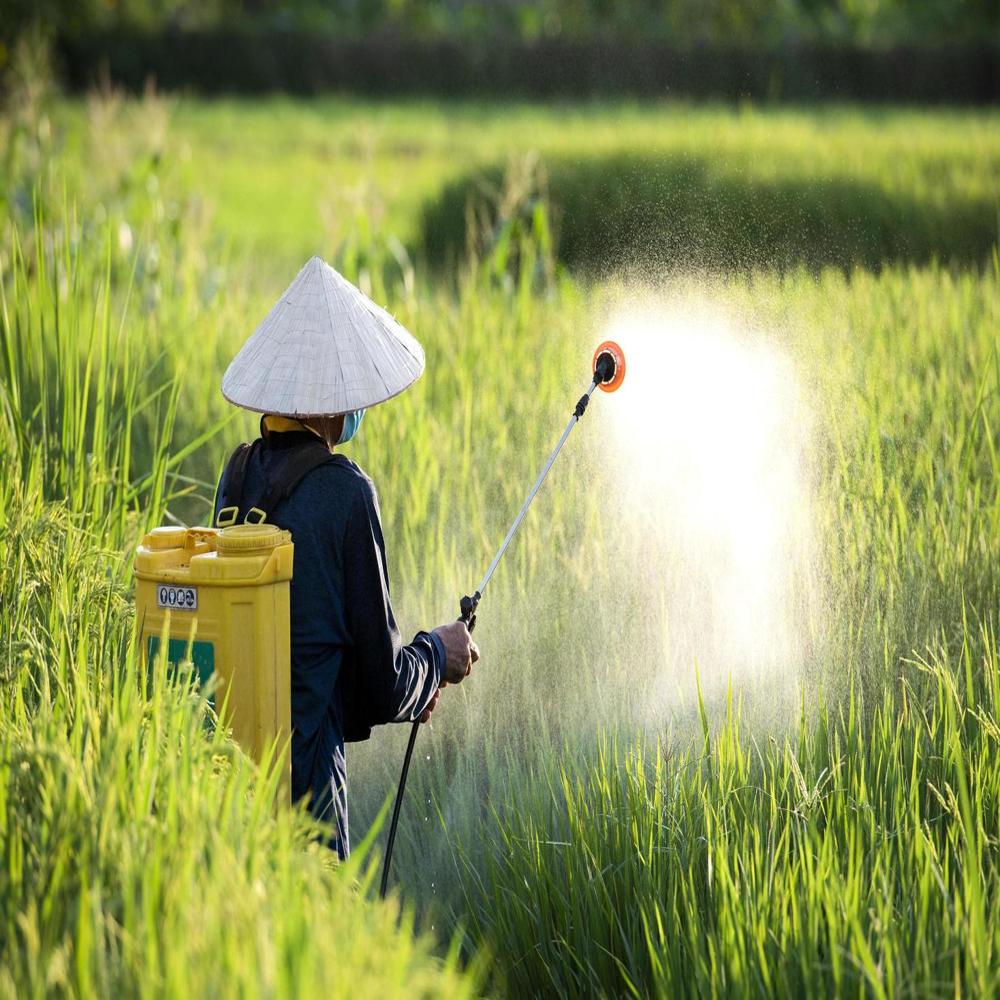
Minimum Order Quantity : 1 Kilograms
Application : Other, Agriculture, Household, Public Health
Release Type : Controlled
Chemical Name : Other, Deltamethrin
Storage : Store in a dry, cool and wellventilated place, away from sunlight

 Send Inquiry
 Send Inquiry

