Agricultural use for insect control in crops like rice, sugarcane, and vegetables
Color
Pale Yellow to Yellow
Solubility
Emulsifiable concentrate / Suspension concentrate, Soluble in organic solvents
Storage
Store in a cool, dry, well-ventilated place away from sunlight
Odor
Mild characteristic odor
Crop Recommendation
Rice, Sugarcane, Potato, Maize, Groundnut, Vegetables, Cotton, etc.
Molecular Formula
C12H4Cl2F6N4OS
Toxicity
Moderately hazardous, use PPE when handling
Formulation Types Available
SC (Suspension Concentrate) and EC (Emulsifiable Concentrate)
Packaging Size
Available in 100ml, 250ml, 500ml, 1L bottles and bulk
Mode of Action
Blocks GABA-gated chloride channels, disrupting insect central nervous system
Target Pests
Stem borer, leaf folder, shoot borer, termites, thrips, and other chewing/sucking pests
pH Range
5.0 to 7.0 (aqueous dilution)
Shelf Life
2 Years
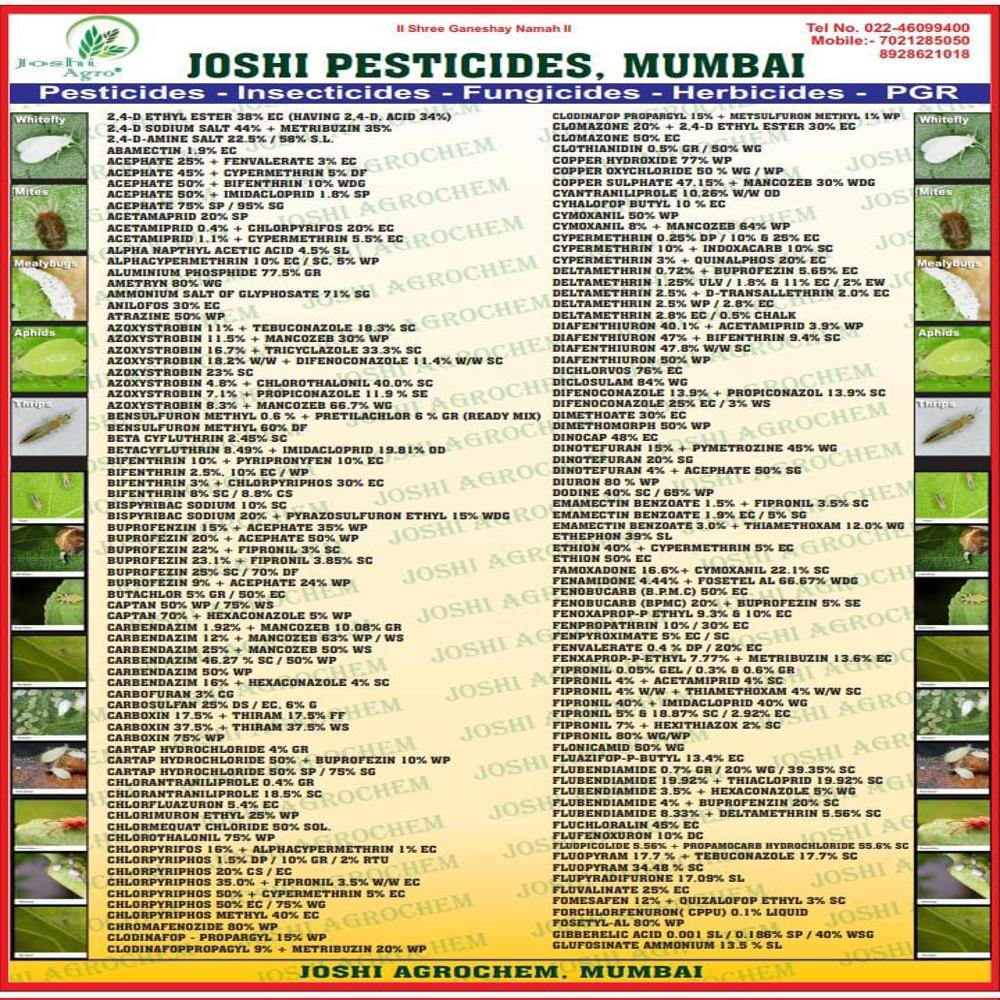
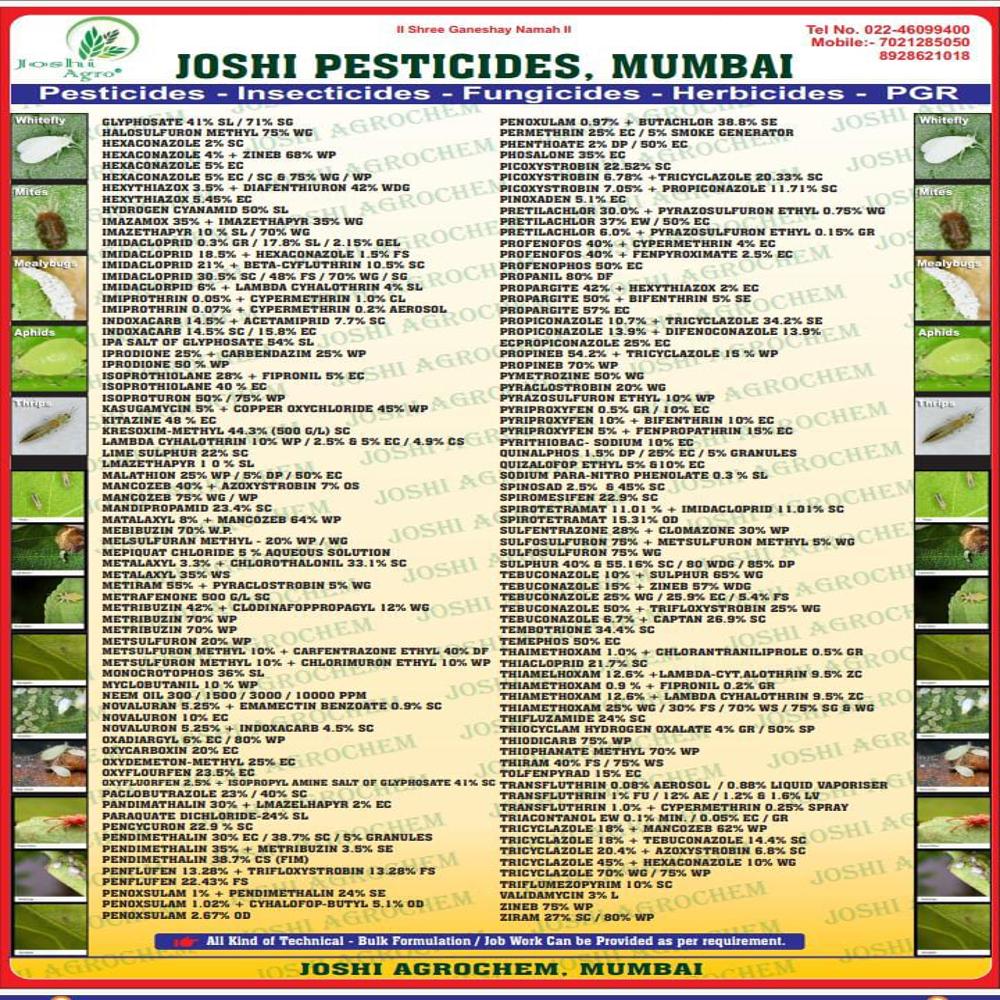
Fipronil 5% & 18.87% SC / 2.92% EC Trade Information
Minimum Order Quantity
1 Kilograms
Supply Ability
500 Kilograms Per Month
Delivery Time
1 Week
Fipronil 5% & 18.87% SC / 2.92% EC About
ipronil 5% SC (Suspension Concentrate)
A thick, liquid suspension formula typically used for both soil and foliage application, especially in rice and sugarc
Key Uses: Soil drenching/soil application for termites, white grubs, root borers; Foliar spray for stem borers, brown plant hopper, leafhoppers, and whorl maggot in rice; Diamond-back moth (DBM) in cabbage; Thrips, Aphids, and Fruit borers in chili.
Benefits: Strong systemic action (rapidly absorbed by roots and foliage), long-lasting residual control, and Plant Growth Enhancement (PGE) effect (promotes greener, healthier plants).
Dosage: Generally 400-600 ml/acre (varies by crop).
2. Fipronil 18.87% SC (Suspension Concentrate)
A higher concentration, often considered a powerful "thripicide" widely used on cotton and vegeta
Key Uses: Primarily used to control thrips in cotton, chili, and vegetables. It is also effective against stem borers, aphids, and whiteflies.
Benefits: Excellent for managing resistance (IPM), minimizes tobacco streak virus by controlling vector thrips, and provides high efficacy at low dosage.
Dosage: 150-200 ml per acre.
Pre-Harvest Interval (PHI): Approximately 21 days.
3. Fipronil 2.92% EC (Emulsifiable Concentrate)
An emulsifiable concentrate formulated for both agricultural use and professional pest control (termit
Key Uses: Soil application for termites in buildings and wood borers. It is also used as a foliar spray on crops like vegetables, cotton, and rice for sucking pests (thrips, aphids, jassids).
Benefits: Known for being odorless and having high efficacy in controlling crawling/soil insects, with a good "domino effect" in termite control.
Dosage: 200300 ml/acre for agriculture; higher concentrations for structural term
General Information (All Formulations)
Toxicity: Highly toxic to bees, fish, and aquatic life. Do not apply during flowering/blooming stages.
Safety: Wear protective gear (mask, gloves, clothing) during application. No specific antidote is known; treat symptomatically.
Compatibility: Generally compatible with most pesticides and f
Advanced Pest Control Formula
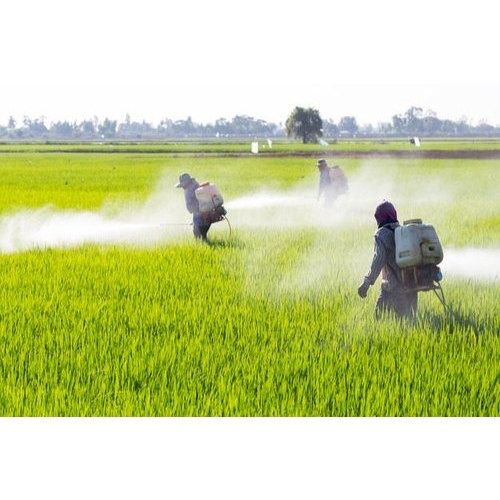
Fipronil's unique mode of action targets GABA-gated chloride channels within insect nervous systems, causing effective and lasting pest mortality. This keeps major crops like rice, sugarcane, and vegetables free from damaging pests, delivering robust yields.
Versatile Application and Formulation
Available as suspension concentrate (SC) and emulsifiable concentrate (EC), Fipronil fits diverse agricultural needs. Its solubility in organic solvents facilitates easy mixing, and the mild odor ensures user comfort during application. Packaging ranges from 100 ml to bulk, accommodating farms of all sizes.
Safe and Efficient Storage
Fipronil's longevity is supported by a two-year shelf life when stored correctly in a cool, dry, ventilated area away from direct sunlight. Compliance with safety guidelines, including the use of personal protective equipment (PPE) during handling, ensures safe use for applicators.
FAQ's of Fipronil 5% & 18.87% SC / 2.92% EC:
Q: How does Fipronil control insect pests in crops?
A: Fipronil disrupts insect nervous systems by blocking GABA-gated chloride channels, resulting in the incapacitation and death of target pests such as stem borers, leaf folders, termites, thrips, and various chewing/sucking insects.
Q: What crops is Fipronil recommended for?
A: Fipronil is suitable for use in rice, sugarcane, potato, maize, groundnut, vegetables, cotton, and several other crops prone to insect infestations.
Q: When should Fipronil be applied for optimal results?
A: It is advisable to use Fipronil at the onset of pest activity or as indicated by monitoring and local agricultural guidelines, ensuring timely protection of crops throughout vulnerable growth stages.
Q: Where can Fipronil be purchased and what packaging sizes are available?
A: Fipronil can be sourced from authorized distributors, exporters, wholesalers, and suppliers across India, and is offered in packaging sizes of 100ml, 250ml, 500ml, 1L bottles, and in bulk quantities.
Q: What is the recommended process for handling and applying Fipronil?
A: Always wear appropriate personal protective equipment (PPE) when handling Fipronil due to its moderate toxicity. Prepare diluted solutions as per product label instructions and ensure the mixture has a pH between 5.0 and 7.0 for effective results.
Q: What are the usage benefits of Fipronil over other insecticides?
A: Fipronil offers controlled release, broad-spectrum pest control, and compatibility with various application methods. Its persistent action and selective targeting provide reliable yields with reduced frequency of sprays.
Q: How should Fipronil be stored to maintain its effectiveness?
A: To maintain efficacy over its two-year shelf life, store Fipronil in a cool, dry, and well-ventilated space, away from sunlight and sources of moisture.
Tell us about your requirement
Price:
Quantity
Select Unit
50
100
200
250
500
1000+
Additional detail
Mobile number
Email
Name
Comapny Name
Phone Number
Email Id
City / State
Confirm Your Requirement
Verification Code
Did not receive yet?
Resend OTP
You’re Done!
We have received your requirements and will reply shortly with the best price.







 Send Inquiry
 Send Inquiry

