Quinalphos 1.5% DP / 25% EC / 5% Granules About
Active Ingredient and Mode of Action
-
Chemical Name: O,O-diethyl O-quinoxalin-2-yl phosphorothioate (Quinalphos)
-
Chemical Group: Organophosphate insecticide
-
-
1. Quinalphos 1.5% DP (Dust Powder)
2. Quinalphos 25% EC (Emulsifiable Concentrate)
3. Quinalphos 5% Granules
Mode of Action and EffectivenessQuinalphos disrupts the nervous system of insect pests by inhibiting acetylcholinesterase, resulting in rapid pest knockdown. Its dual mode of contact and stomach action ensures thorough control of a wide spectrum of pests, including stem borers and leaf hoppers, especially in rice, cotton, and groundnut crops.
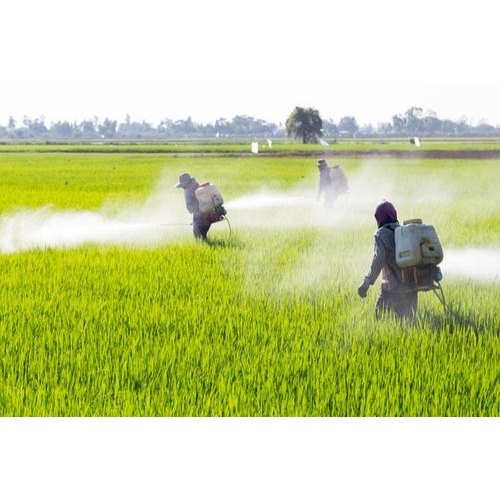
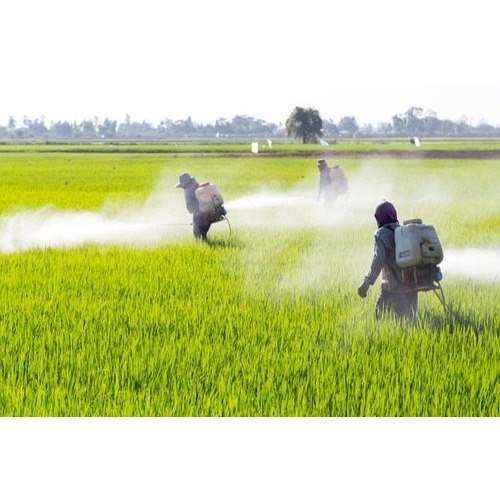
Application Methods and FormulationsDepending on the formulation-DP, EC, or granules-Quinalphos can be broadcast as a dust, sprayed as an emulsion, or applied as granules. Each type offers targeted pest control suited to the specific crop and farming practice, providing flexibility and ease of use for agricultural professionals.
Safety, Handling, and StorageGiven its highly toxic nature, handling Quinalphos requires protective clothing and careful consideration to avoid inhalation and skin or eye contact. Always store the product in a cool, well-ventilated, and dry area away from children, pets, and food sources, and prevent contamination of water supplies.
FAQ's of Quinalphos 1.5% DP / 25% EC / 5% Granules:
Q: How should Quinalphos be applied to different crops?
A: Application depends on the formulation: 1.5% Dust Powder should be broadcast at 10-15 kg/ha, 25% Emulsifiable Concentrate sprayed at 400-600 ml/acre after dilution, and 5% Granules applied at 7-10 kg/ha. Refer to specific crop and pest recommendations for optimal results.
Q: What is the main benefit of using Quinalphos for pest control?
A: Quinalphos offers quick and effective control of various insect pests across multiple crops, reducing crop damage and yield loss. Its contact and stomach action ensure pests are targeted efficiently for healthier, more productive fields.
Q: When is the best time to apply Quinalphos for maximum effectiveness?
A: It is best to apply Quinalphos during early pest infestation or at the onset of symptoms, ensuring the product reaches the targeted stage of pests. Application should preferably be done in the morning or late afternoon to avoid high temperatures.
Q: Where should Quinalphos be stored to maintain its efficacy?
A: Quinalphos should be stored in its original packaging, in a cool, dry, and well-ventilated place, away from direct sunlight, heat, moisture, food, and animal feed. Keep it out of reach of children and pets.
Q: What safety precautions must be taken during handling and application?
A: Always wear protective clothing, gloves, and eye protection when handling or applying Quinalphos. Avoid inhaling dust, mist, or fumes and prevent contact with skin and eyes. Wash hands and exposed skin thoroughly after use and do not eat, drink, or smoke while handling.
Q: Is Quinalphos compatible with other agrochemicals?
A: Quinalphos is compatible with most commonly used insecticides and fungicides but should not be mixed with alkaline materials, as this may reduce its effectiveness or cause chemical instability.
Q: What is the shelf life of Quinalphos and how is it packaged?
A: Quinalphos has a shelf life of two years from the date of manufacture when stored under recommended conditions. It is available in HDPE or aluminum bottles, laminated pouches, and HDPE bags, with packaging varying by formulation type.







 Send Inquiry
 Send Inquiry

