Key Crops: Cotton, Chilli, Tomato, Okra, Brinjal, Cabbage, and various vegetables/pulses.
Mechanism of Action: Stomach and contact poison; causes rapid cessation of feeding.
Dosage (1.9% EC): Generally 75ml250ml per acre, or 1.52 ml per litre of water.
Key Features: Rain-fastness (approx. 2 hours), provides long-lasting protection (10-15 days), and safe for beneficial insects.
Highly Effective Pest Control
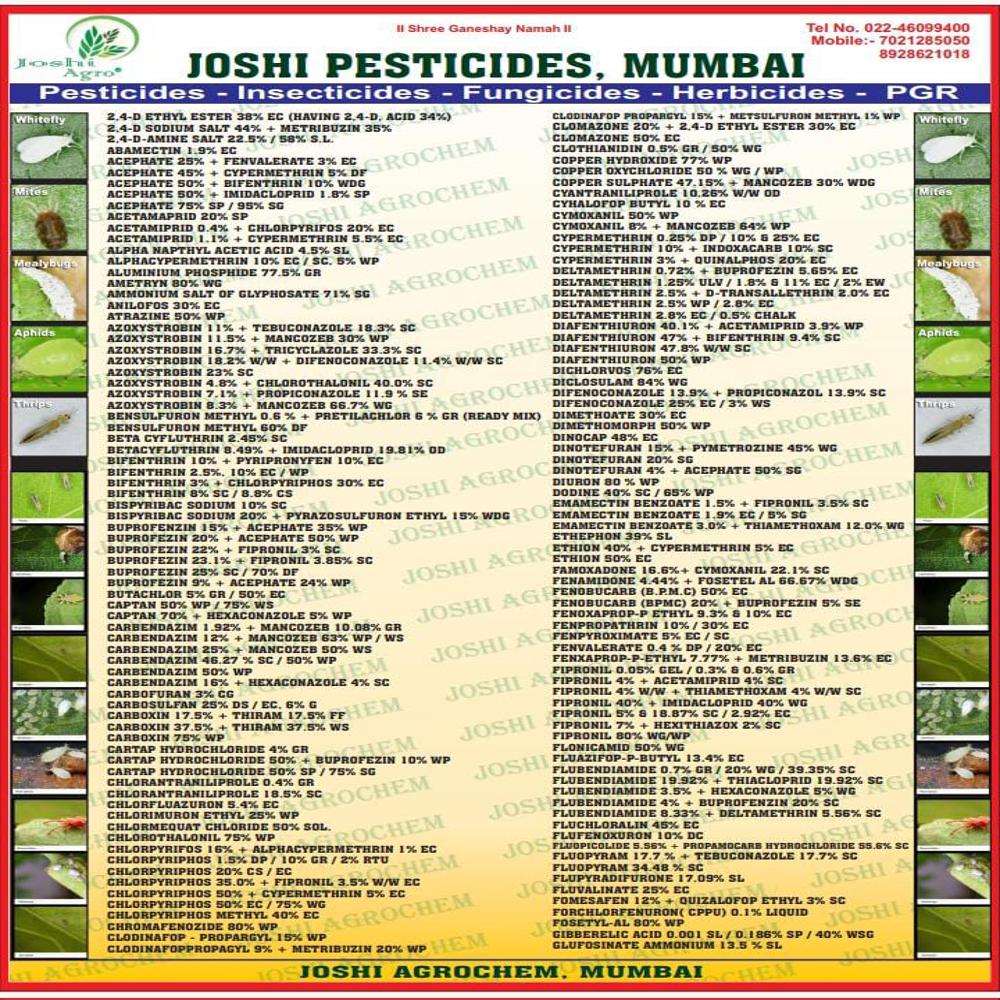
Emamectin Benzoate 1.9% EC and 5% SG deliver targeted pest control by disrupting the nervous system of destructive Lepidoptera species, ensuring minimal harm to non-target organisms. Its unique mode of action guarantees reliable protection for your crops, leading to healthier and more productive harvests with reduced chemical residues.
Flexible and Convenient Formulations
Offered in both Emulsifiable Concentrate (liquid) and Water Soluble Granules (granular), Emamectin Benzoate accommodates diverse spraying equipment and farmer preferences. Easy-to-use packaging options-ranging from small packs to bulk sizes-support farms of all scales. Clear dosage instructions ensure effective pest management while preventing unnecessary chemical use.
Safe and Environmentally Friendly
With a low toxicity profile for mammals and beneficial insects, Emamectin Benzoate is a responsible choice for sustainable agriculture. Its compatibility with common insecticides and fungicides makes it easy to integrate into integrated pest management programs, while its controlled-release action extends protection duration.
FAQ's of Emamectin Benzoate 1.9% EC / 5% SG:
Q: How should Emamectin Benzoate 1.9% EC or 5% SG be applied for optimal results?
A: For 5% SG, dissolve 7.5-10 grams in 15 liters of water; for 1.9% EC, mix 10-15 milliliters in 15 liters of water. Use a knapsack or power sprayer for even application on crop foliage. Apply during active pest infestation, ensuring full coverage for best efficacy.
Q: What types of pests does Emamectin Benzoate control?
A: Emamectin Benzoate is primarily designed to target Lepidopteran pests, such as bollworms, fruit borers, and pod borers. These pests are prevalent in crops like cotton, vegetables, and various fruits.
Q: When is the best time to apply Emamectin Benzoate formulations to crops?
A: The ideal time for application is at the early stages of pest infestation. Monitor your crops regularly and spray when the first signs of Lepidopteran pests appear to ensure effective control and minimize crop damage.
Q: Where can Emamectin Benzoate be used, and on which crops is it recommended?
A: Emamectin Benzoate can be safely used on a variety of crops, including cotton, several vegetables, and fruit-bearing plants. It is suitable for both open fields and greenhouse environments.
Q: What are the benefits of using Emamectin Benzoate over other insecticides?
A: Emamectin Benzoate offers high efficacy against resistant Lepidopteran pests, low toxicity to mammals and beneficial insects, and is compatible with most insecticides and fungicides. Its controlled-release formulation ensures sustained pest protection with minimal environmental impact.
Q: Is Emamectin Benzoate compatible with other agrochemicals?
A: Yes, Emamectin Benzoate is compatible with most commonly used insecticides and fungicides. Always perform a small compatibility test before large-scale mixing to ensure consistent results.
Q: How should Emamectin Benzoate be stored and what is its shelf life?
A: Store Emamectin Benzoate in a cool, dry, well-ventilated place, away from direct sunlight and moisture. The product remains effective for up to 2 years from the date of manufacture when stored as directed.
Tell us about your requirement
Price:
Quantity
Select Unit
50
100
200
250
500
1000+
Additional detail
Mobile number
Email
Name
Comapny Name
Phone Number
Email Id
City / State
Confirm Your Requirement
Verification Code
Did not receive yet?
Resend OTP
You’re Done!
We have received your requirements and will reply shortly with the best price.









 Send Inquiry
 Send Inquiry

