Clothianidin 0.5% Gr / 50% WG About
Active Ingredient: 0.5% Clothianidin (neonicotinoid)
Formulation: Granules for soil application
Mode of Action: Acts on the nicotinic acetylcholine receptors (nAChR) in insects, causing overstimulation of the nervous system, paralysis, and death. Being systemic, it is absorbed by roots and translocated throughout the plant, providing internal protection.
Target Pests: Termites, root grubs, shoot borer, stem borer
Recommended Crops: Rice, maize, sugarcane, vegetables, okra (pests like jassids and whiteflies)
Dosage/Application: 3.24.8 kg/acre for okra by broadcasting. Granules release the active ingredient slowly, ensuring long-lasting protection.
Benefits:
Reliable Systemic Protection for CropsClothianidin acts systemically within the plant, providing robust protection against chewing and sucking insects from the inside out. Its mode of action as an agonist on nicotinic acetylcholine receptors ensures a rapid and long-lasting effect. By controlling pests swiftly, it supports plant vitality and optimizes yield potential.
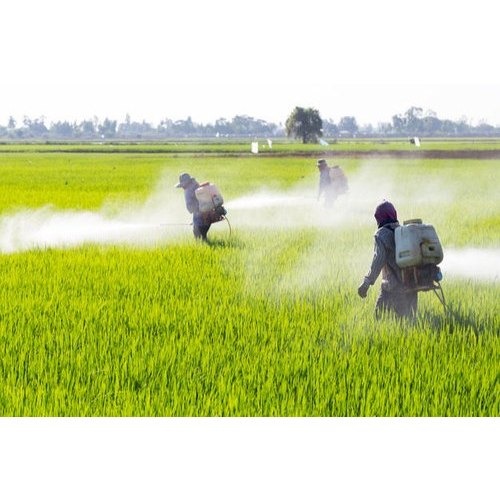
Versatile Application for Multiple CropsDesigned for use across a variety of field and horticultural crops-including rice, sugarcane, wheat, and maize-Clothianidin 0.5% Gr / 50% WG adapts to different farming needs. The granule (GR) and water dispersible granule (WG) formulations offer flexibility in application methods, making it a suitable choice for both large-scale and specialized growers.
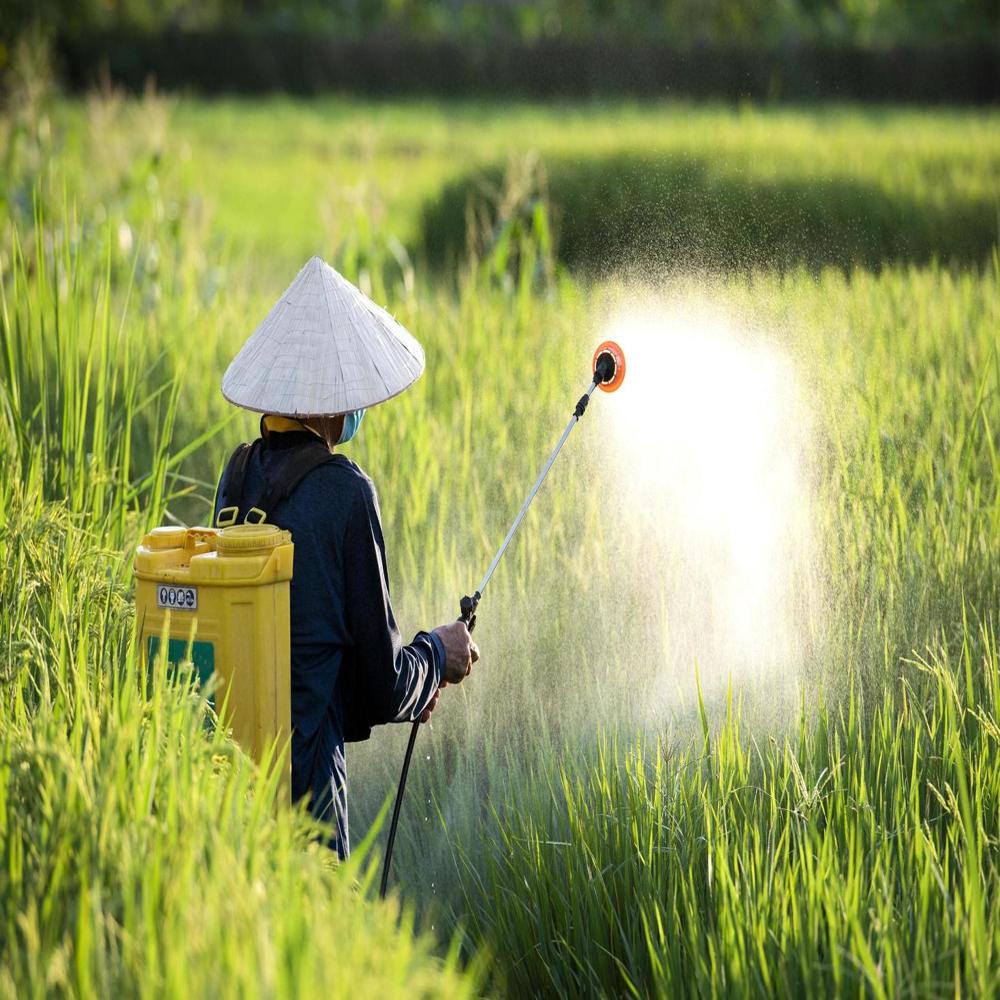
Safe Handling and Storage PracticesAs a moderately toxic insecticide, Clothianidin should be handled using appropriate protective equipment. It must be stored in a cool, dry, and well-ventilated space, away from direct sources of heat or incompatible substances. When used according to label recommendations, it provides effective pest control with manageable safety requirements.
FAQ's of Clothianidin 0.5% Gr / 50% WG:
Q: How should I apply Clothianidin 0.5% Gr or 50% WG on my crops?
A: Apply Clothianidin granules or water dispersible granules at the recommended dosage as indicated on the product label, which varies depending on crop type and target pest. For best results, distribute evenly in the field or mix the WG into water and spray uniformly onto crops.
Q: What types of pests does Clothianidin target effectively?
A: Clothianidin is formulated to control sucking and chewing insects such as aphids, whiteflies, jassids, thrips, stem borers, and leaf hoppers in a range of field and horticultural crops.
Q: When is the optimal time to use Clothianidin on crops?
A: It is best to apply Clothianidin when early signs of pest infestation appear or as advised on the product label, ensuring protection during the critical growth stages of the crop.
Q: Where can Clothianidin 0.5% Gr / 50% WG be applied?
A: This insecticide is suitable for a variety of settings, including rice, wheat, maize, sugarcane fields, and other horticultural crops, making it versatile for agricultural and plantation use.
Q: What are the correct handling and storage procedures for Clothianidin?
A: Store Clothianidin in a cool, dry, and well-ventilated environment, away from direct sunlight and incompatible substances such as strong acids and alkalies. Always use suitable protective gear during handling.
Q: Is Clothianidin compatible with other agricultural products?
A: Yes, Clothianidin is generally compatible with most commonly used insecticides and fungicides. However, avoid mixing it with strong acids or alkaline substances.
Q: What benefits does Clothianidin provide for crop protection?
A: Clothianidin delivers controlled and sustained pest management, enhances plant vigor, and supports increased yields by effectively targeting a broad spectrum of harmful agricultural pests.




 Send Inquiry
 Send Inquiry

